
IN CONVERSATION WITH TAYLOR NEAL
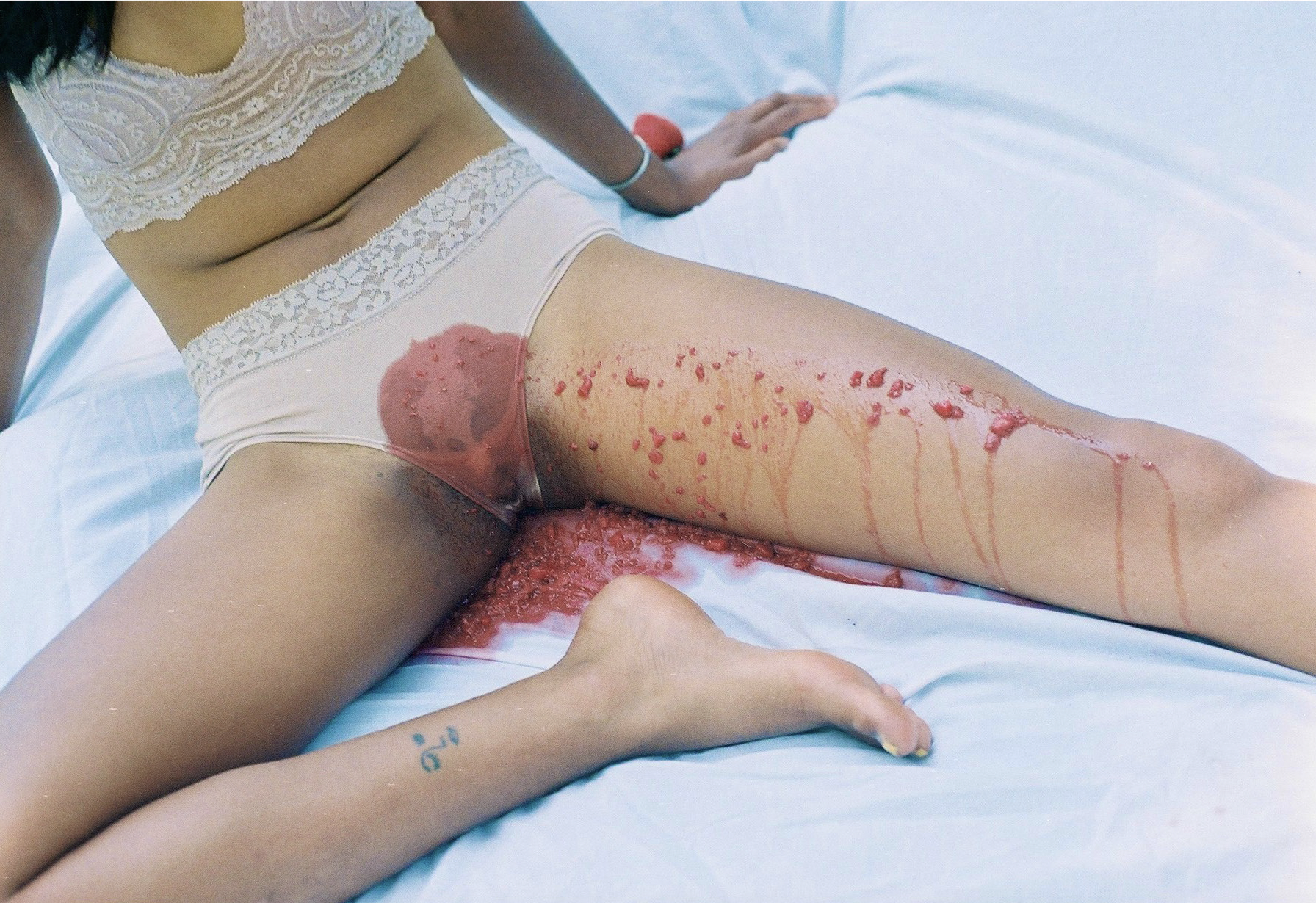
Taylor Neal, Juice, as seen on their website
Marrying the angelic with the formidable, Taylor Neal captures beauty in the most unapologetic sense. Giving the power back to the subject, Neal’s photography emits the strength within submission, and the delicacy within the dominant, as heads tilt back in influential joy. Despite the gorgeousness of the landscapes from where the images are taken, models remain at the heart, breathing mighty life into the timeless aesthetic.
We had the pleasure of speaking to Neal about their artistic process and approach;
What initially interested you in this style of portraiture?
I call my work “an exploration of free beauty” in reference to Kantian philosophy. In his Critique of Judgement, Kant claims that the experience of beauty rests on the “harmony,” or “free play,” of the faculties of imagination and understanding, emphasized by pleasure, and this “free play” is to be “without concept,” meaning it comes without preconceived notions/concepts of what is beautiful. This is “free beauty.” (9; 5:217-9; 102-4)
I find this to be the best way of summarizing my art; a visual exploration of the beauty that is part of nature and innately beautiful, because it is human.
I’m not exactly sure I can put my finger on what it was that initially pushed me to shoot the type of imagery I create, I believe it was just a natural evolution.
I recognized pretty early on in my artistic life (probably during my early teens) that I loved shooting portraiture. I would set up photoshoots with my friends just for fun during highschool, and always loved being behind the camera and finding new angles to capture the beauty of humans. Prior to understanding what was meant by “the male gaze,” I remember having a fascination toward the difference between portraiture of women shot by women, and those shot by men, and how I could use my femme gaze to confront what I saw in media at that time (the early 2010s).
I have been a dancer for my whole life, so I believe my connection with, and fascination with, bodies; the moving body, the fragmented body, the shapes of the body, comes primarily from there. When I was in fashion school, my favourite part of studying design was to manipulate the human form as a way of manipulating expression. I also am very drawn to finding mirror images of bodies in nature as a way of normalizing the body as part of nature. I particularly find myself inspired by the fragmented body in art and how the body can be captured on the macro to emphasize certain shapes and details. The work of Immogene Cunningham has always been one of my primary references in my work.
I think from all of these various influences, I have continued to explore how to push boundaries with my photography. Basically, if something is taboo or uncomfortable, I want to photograph it. I am also deeply committed to diversity in representation. In confronting what I still see in media (thin, white bodies), I want to smash that shit apart.
How do you form and navigate a relationship with those you are photographing?
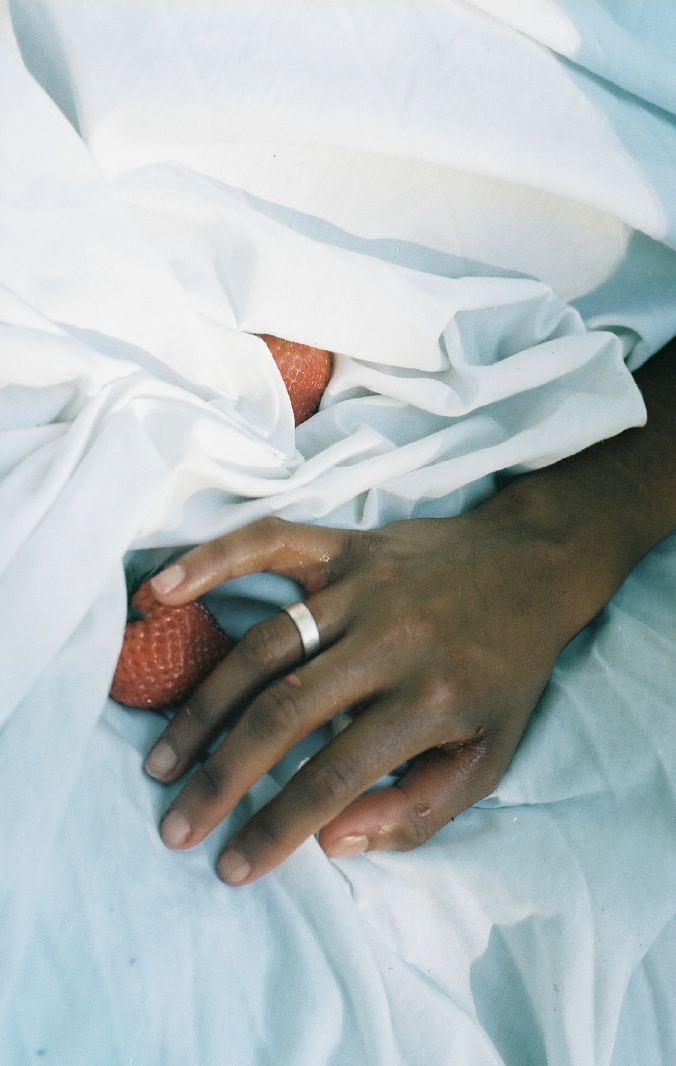
My photoshoots are “subject lead,” meaning I am there to capture the subject, but they are ultimately leading the experience. I aim to capture folks in their most authentic expressions, and I find the best way, the only way, to do this, is to offer a safe container in which the subject can express in whatever way they feel comfortable doing so.
Usually, this looks like beginning with a consultation, which helps us pick up on one another’s vibes and discuss our goals. We then move through choosing locations, visual vocabulary, and concepts together, and then we go from there. I like to keep things fun and silly, and more than anything I do my best to create comfort and ease for the subject. Nothing is too much or too “out there” for me as a concept, and I do my best to let folks know they can throw their wildest dreams at me and I will do my best to catch and create them.
So really, it’s just about trust. Trust and safety, and reminding the subject that they have full agency over the situation. I am merely there to witness them.
Do you have a ‘directing’ approach or does the subject have a lot of freedom?
My photoshoots, especially my intimate portraiture sessions, are very “subject lead,” so in that way, I very much just witness as my subject interacts with the space, their bodies, the garments they are wearing, etc, and capture as I see things begin to unfold.
If we are working with a specific concept or image in mind, I will do my best to guide the experience to achieve our collective goals. I also sometimes find it quite useful to provide prompts as we shoot, which looks like offering the subject things to consider, or things to explore, verbally, as we shoot. I find I pull a lot from my dance and movement training in this way, finding verbal ways of communicating bodily exploration and movement.
Ultimately, I sometimes enter with a very clear visual goal, but most often I find myself more focused on the process than the outcome. The resulting photos are always a sweet treat to end with, but the real beauty is in the photoshoot process; the watching of someone unraveling in their skin and find comfort and joy being captured how they wish to be seen.
The full interview can be found in Issue 1 of Obscene Pomegranate - see our shop to purchase.
See more on their website:
https://www.taylorneal.ca/
@tnzzl__